The evolution of Rhinoplasty, a surgical artistry aimed at refining the contours of the nose, has witnessed substantial advancements over the years. Within the realm of medical technology, a technique gaining prominence is Ultrasonic Rhinoplasty.
In Iran, celebrated for its excellence in medical tourism, Ultrasonic Rhinoplasty stands as a coveted procedure for those pursuing outcomes that exude a natural allure and precision. This piece delves into the merits of this procedure in the Iranian context, scrutinizing the technique, frequently posed questions and other facets.
Ultrasonic Rhinoplasty in Iran:
A Groundbreaking Paradigm in Nasal Enhancement Ultrasonic Rhinoplasty in Iran has redefined the landscape of cosmetic surgery by incorporating state-of-the-art technology to attain results characterized by precision and aesthetic harmony. Diverging from conventional rhinoplasty methods, involving archaic tools like chisels and hammers, Ultrasonic Rhinoplasty harnesses ultrasonic energy for sculpting the nasal framework. This pioneering approach facilitates superior preservation of nasal tissue, resulting in diminished trauma, minimal swelling, and expedited recovery.
Advantages of Ultrasonic Rhinoplasty
Ultrasonic rhinoplasty in Iran presents a plethora of advantages over traditional techniques. Key benefits include:
- Enhanced Precision: The deployment of ultrasonic devices empowers surgeons to execute meticulous bone and cartilage sculpting, ensuring optimal results and a naturally appealing outcome.
- Reduced Trauma: The application of ultrasonic energy in sculpting nasal structures minimizes trauma to surrounding tissues, leading to diminished bruising, swelling, and discomfort during recuperation.
- Expeditious Recovery: Owing to the minimally invasive nature of Ultrasonic Rhinoplasty, patients experience swifter recovery compared to conventional methods.
- Augmented Safety: The utilization of ultrasonic technology enhances surgical accuracy, minimizing the likelihood of complications.
Comprehending the Ultrasonic Rhinoplasty Procedure Ultrasonic rhinoplasty in Iran entails a meticulous and comprehensive approach to nasal refinement.
- Consultation and Evaluation: Before the procedure, patients undergo an exhaustive consultation with a qualified plastic surgeon, discussing aspirations and goals. Factors like facial structure, skin type, and nasal proportions are meticulously assessed.
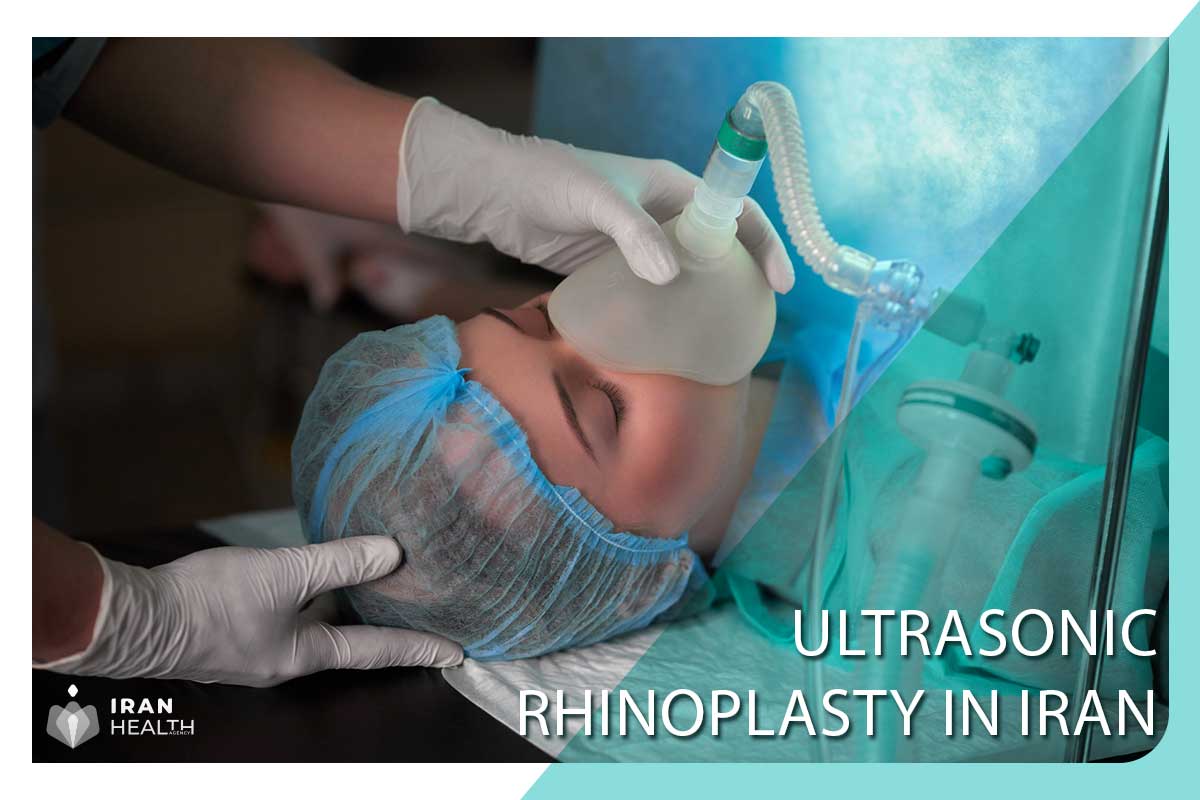
- Anesthesia: Generally conducted under general anesthesia, Ultrasonic Rhinoplasty ensures patients are entirely at ease throughout the procedure. Surgeons employ ultrasonic instruments to sculpt nose bones and cartilage precisely. The emitted energy disintegrates bone structures while minimizing trauma to adjacent tissues, allowing heightened control and precise outcomes.
- Recovery and Aftercare: Post-surgery, patients are transferred to a recovery area, and monitored by healthcare professionals. Expected discomfort, swelling, and bruising are manageable with prescribed pain relief. Follow-up appointments ensure proper healing and address emerging concerns.
Initial Week of Recovery During the first recovery week, adherence to post-operative instructions is paramount:
- Maintain an elevated head position to minimize swelling.
- Apply cold compresses for bruising and swelling reduction.
- Follow the prescribed medication regimen.
- Refrain from strenuous activities and contact sports.
- Avoid activities straining the surgical site, like blowing your nose.
Subsequent Weeks and Months As recovery progresses, gradual improvements in nasal appearance become evident. Complete healing and final results may take several months, emphasizing the importance of scheduled follow-up appointments for monitoring and guidance.