Rhinoplasty in Shiraz: A Complete Guide for International Patients
Facial surgery in a manageable, historic city — with a clear path from online consultation to surgeon review, travel and recovery. Written for international patients who want to ask better questions before they book.
No fee for the first review. Your photos and medical history are reviewed before a surgeon’s opinion or a written range is discussed.
About 8 days
1–2 hours
1–6 months
Shiraz, Fars
Primary & revision
The short answer
Most healthy adults with realistic goals can be assessed. Final plan, risks and quote must come from the surgeon after examination.
- Stay: about eight days is typical for an Iran Health package; seven to ten nights suits most primary cases.
- Surgery: usually one to two hours under general anesthesia, according to Iran Health’s published information.
- Recovery: initial swelling settles over weeks, but the contour can take up to a year to refine.
- Choice: open or closed technique depends on anatomy, prior surgery and surgeon experience — not a promise.
- Safety: verify surgeon registration, hospital license and follow-up before paying.
Why Consider Rhinoplasty in Shiraz?
Shiraz, the capital of Fars province, is an established medical and cultural center with university-affiliated hospitals, ENT and plastic surgery practice, and an airport linked to domestic and regional routes. For a seven- to ten-day stay, consultations, tests, surgery and follow-up can often be arranged within a short drive.
Iran Health lists branches in Tehran, Shiraz and Mashhad; local coordinators arrange interpretation, transport, hotels and appointments.
Shiraz is not right for every nose: complex revision or major medical problems may need a larger center.
Who Is a Good Candidate for Rhinoplasty?
Good candidates are adults with completed facial growth, stable health and goals that fit their face. The AAO-HNS guideline covers age 15 and older, but teenagers need extra care around consent and readiness.
Rhinoplasty can address a dorsal hump, a wide tip, nostril width, injury asymmetry and septal obstruction. It is less reliable with very thick skin, severe collapse or damaged tissue; your surgeon should explain the limits.
May be suitable
- Facial growth is complete and general health is stable.
- Goals are proportionate to the face, skin and airway.
- A hump, wide tip, asymmetry or structural obstruction is present.
- The patient can follow aftercare and stay long enough.
Reassess or wait
- Active infection, uncontrolled blood pressure or diabetes.
- An untreated bleeding disorder or pregnancy/breastfeeding.
- Recent major life stress or body dysmorphic disorder.
- Pressure from a partner or an unrealistic social-media ideal.
BDD screening matters; a psychologist may be required first. Surgery to please someone else is a reason to pause.
The surgeon decides after examining your nose, airway, skin and history.
Types of Rhinoplasty Offered
Options include primary, revision, functional or septorhinoplasty and tip plasty; septoplasty is a separate procedure. Grafts from the septum, ear or rib may support or rebuild the nose. Functional surgery treats structural obstruction, not every cause of sinusitis or polyps.
Primary
First operation; may be cosmetic, functional or both.
Revision
After a previous rhinoplasty, often for breathing or contour.
Functional & tip
For obstruction or focused tip refinement.
Open vs. Closed Technique
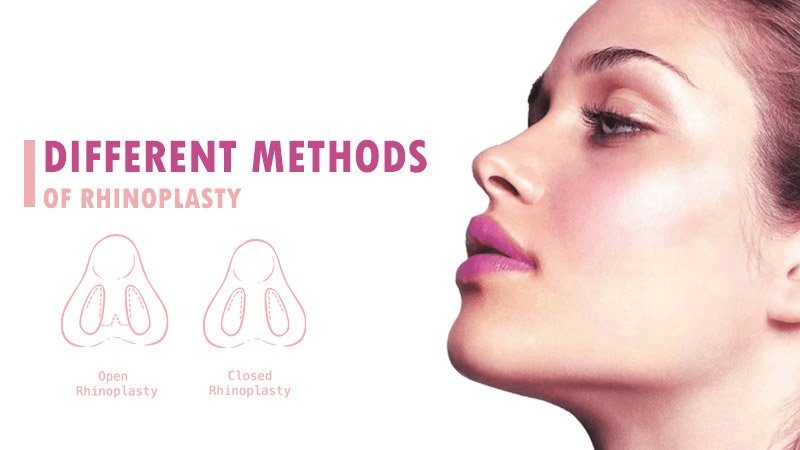
A columellar incision lifts the skin for direct access. Useful in complex tip work, grafting and revision; it leaves a fine scar and more early swelling.
Works through the nostrils with no visible scar and less dissection, but more limited access.
Neither is better; anatomy, prior surgery, grafts and surgeon experience decide. A surgeon who names a technique before examining you is guessing. Our open versus closed guide explains more.
Revision, Male and Fleshy-Nose Rhinoplasty
Before and After: Images from the Shiraz Gallery
Images from Iran Health’s Shiraz gallery; results vary.
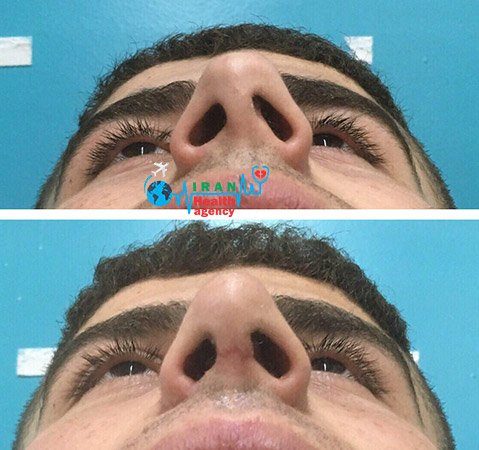
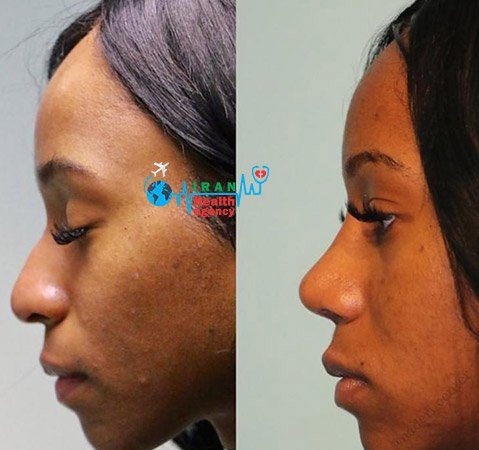
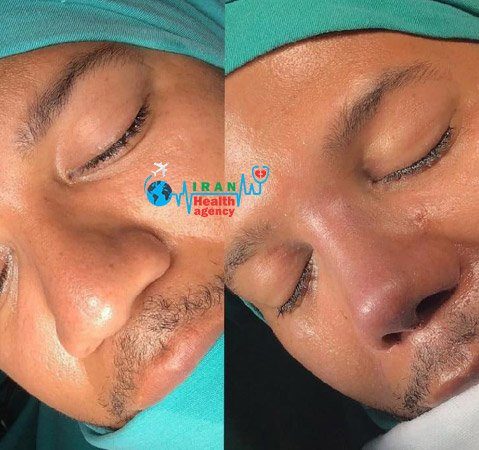
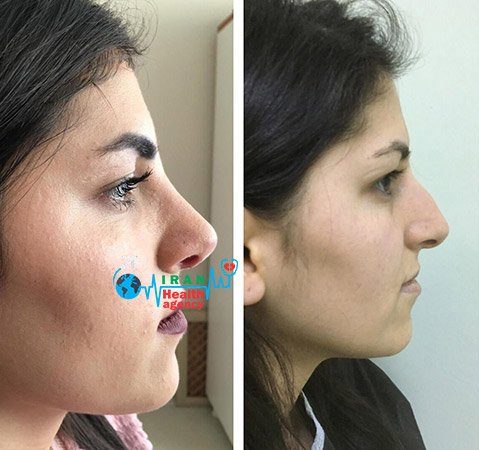
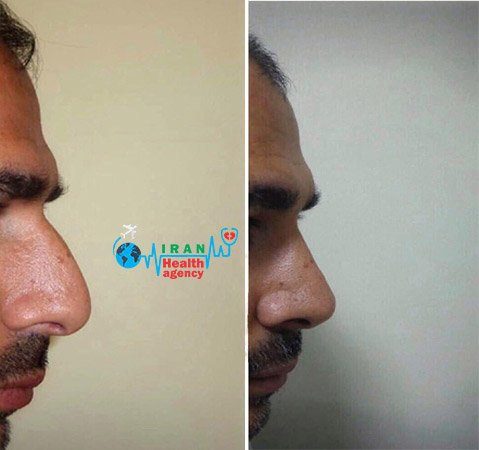
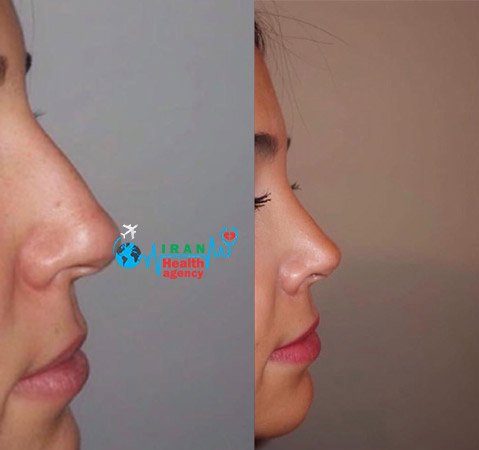
Important: individual results vary. Confirm current written patient consent before reusing any image.
How to Choose a Rhinoplasty Surgeon in Shiraz
Start with credentials. The surgeon should be registered with the Iranian Medical Council and trained in ENT or plastic surgery. Ask for the registration number, hospital, anesthesiologist and clinic license, and confirm the hospital has an emergency transfer plan.
Ask about judgment
- Yearly volume for primary and revision cases.
- Complications, management and revision definition.
- Unedited photos of similar noses with written consent.
- Who reviews you after surgery, and at night?
Red flags
- A guaranteed result or a price before seeing photos.
- Deposit pressure on the first call.
- Refusal to discuss risks or follow-up.
- Stock photos presented as clinic work.
Dr. Seyed Hossein Dastgheib
Iran Health’s public profile lists him as an ENT specialist who trained at Shiraz University of Medical Sciences and has more than ten years of nose surgery experience. This is one profile to discuss, not a recommendation. Verify current registration, hospital privileges and complication data, and confirm who will operate.
View public profileThe Process: From Online Consultation to Surgery Day
Iran Health’s process gives you a surgeon’s opinion before you buy a flight. First contact is WhatsApp or an online form, not a diagnosis. Send front, profile, oblique and base photos, medical history, medicines, previous surgery and goals.
-
01
Triage and quote
A coordinator reviews your photos, requests records and provides a named surgeon, a written range and package inclusions. A range is not a final quote.
-
02
Online consultation
You meet the surgeon by video, with an interpreter if needed, and discuss airway, skin, technique, grafts, anesthesia, recovery, risks and imaging limits.
-
03
Planning and visa
Iran Health can issue a medical visa authorization where rules allow and book hotels and transfers. Confirm entry rules with Iran’s Ministry of Foreign Affairs and the nearest embassy; no facilitator can guarantee a visa.
-
04
Arrival and preparation
Come one or two days early for examination, surgeon-ordered tests, anesthesia review and consent. Bring a medicine and allergy list; do not stop prescribed drugs without advice.
-
05
Surgery and departure
The operation usually takes one to two hours under general anesthesia, per Iran Health’s published information. You will have a post-op check and a splint or stitch plan, usually within a week. Do not book a rigid return flight until the surgeon clears you.
Travel to Shiraz: Visa, Stay and Logistics
Visa and entry
Rules depend on nationality. Some travelers use an e-visa, some apply through an embassy, and some face extra restrictions or escorted travel. The US, UK and Canada are in the more restrictive group, so verify before paying.
Length of stay
The published Shiraz package is about eight days; seven to ten nights suits most primary cases, including two days before surgery and a pre-flight check. Revision may need longer.
Hotel and transport
Choose a quiet hotel with reliable heating and air conditioning and an easy transfer to the clinic. Confirm the exact hotel, distance and companion policy before paying.
Flights, money and support
SYZ handles domestic and limited regional flights; many patients connect via Tehran or a Gulf hub. International cards may not work. If traveling alone, confirm who accompanies you to hospital and who speaks your language.
Use the Iranian Ministry of Foreign Affairs e-visa portal and Iran Health’s visa guide as starting points, and keep printed copies of authorization, insurance and itinerary. Passports usually need six months’ validity, but confirm the current rule for your country.
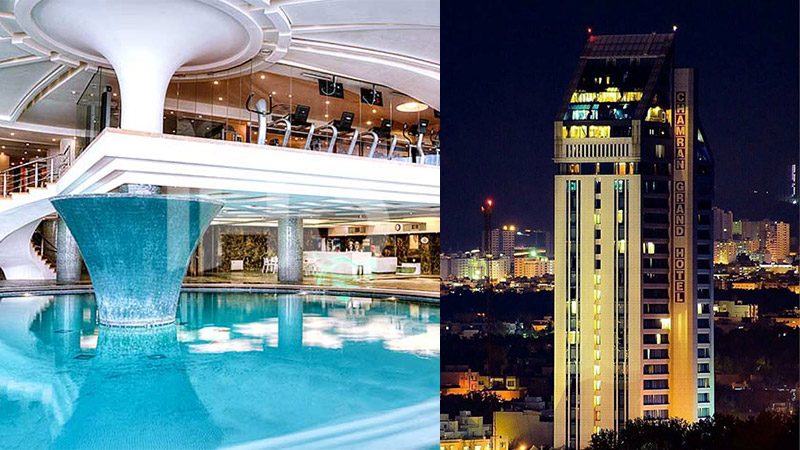
Iran Health can arrange three- to five-star hotels and share a Shiraz hotel list. Carry medicines in original packaging with a doctor’s letter, and keep records in a cloud folder as well as on paper.
Recovery After Rhinoplasty
The first 72 hours are usually the most uncomfortable: swelling, bruising, a blocked nose and a splint. Pain is usually manageable with prescribed medicine. Sleep elevated, use saline if advised, and do not blow your nose or pick crusts.
Most people return to desk work or light activity after one to two weeks. The tip may feel numb or stiff. Initial swelling settles over a few weeks, but the contour may take up to a year to refine. The nose at three months is not necessarily the nose at one year.
For four to six weeks, avoid strenuous exercise, contact sports, swimming, sauna and hot yoga. Do not wear glasses on the bridge unless approved. Use sun protection. Stop smoking and avoid alcohol with pain medicine. Avoid aspirin and NSAIDs unless your surgeon approves.
Risks, Safety and Realistic Expectations
Risks include bleeding, infection, anesthesia reaction, poor healing, scarring, asymmetry, contour irregularity, numbness, altered smell, breathing difficulty, septal perforation and dissatisfaction. Some need further surgery; some cannot be fully corrected. The American Society of Plastic Surgeons recommends a full consent discussion.
Revision rates vary
Definitions, follow-up and case mix differ. A single “success rate” without a denominator is not useful. Ask for the surgeon’s own revision rate, how many were for breathing rather than appearance, and how many needed a second operation within two years.
Safety is a system
Qualified surgeon, qualified anesthesiologist, accredited hospital, sterile technique, monitoring, emergency plan and follow-up. Iran Health’s About page describes a tourism license from Iran’s cultural heritage and tourism authority since 2020. That is not hospital accreditation.
Imaging is a communication tool, not a contract. It cannot predict healing, and asymmetry is normal. If you feel pressured into a dramatic change, or expect surgery to solve a problem unrelated to your nose, pause.
This page is not a substitute for medical advice, diagnosis or treatment. If you have a medical emergency, contact local emergency services immediately.
Rhinoplasty Cost in Shiraz: What Affects the Price
Prices are usually quoted in US dollars, but a headline figure is not a quote. Cost depends on primary versus revision, septoplasty or grafts, surgeon experience, hospital and anesthesia, length of stay, tests, medicines, interpretation, hotel, transfers and follow-up.
Indicative figures published for Shiraz: primary rhinoplasty starts around US$900; a VIP package reaches around US$3,500. Treat these as historical starting points, not current offers. Inclusions were unclear and prices change.
What moves the price
- Primary vs. revision vs. functional procedure.
- Surgeon, anesthesia and operating-room time.
- Hospital stay, grafts, tests and medication.
- Hotel, transfers, interpreter and follow-up.
What the quote should itemize
- Surgeon and assistant fees.
- Anesthesia, hospital and nursing.
- Grafts, tests and post-op visits.
- Complication, revision and cancellation terms.
Compare inclusions, not the bottom line. A cheap package that excludes anesthesia, a hospital night or follow-up can cost more. Confirm the surgeon will personally operate, the hospital is accredited, and the price is guaranteed in writing.
Frequently Asked Questions
The published package is about eight days. For primary surgery, plan seven to ten nights, including two days before surgery and a pre-flight check. Revision may need longer; keep your ticket flexible.
Some can, but it is not automatic. Your surgeon will assess swelling, bleeding, breathing and clot risk. Revision or grafts may need more time. Get clearance in writing and check airline rules.
No operation is risk-free. Safety depends more on the surgeon, anesthesia team, hospital and follow-up than on the city. Choose a registered specialist and accredited hospital, and avoid anyone who guarantees a result.
The range is wide because primary, revision and functional cases differ. Ask for an itemized quote after review of your photos and history, and compare what is included, not just the total.
It can improve structural obstruction such as a deviated septum or narrow valve, but not every cause of sinusitis, allergy or polyps. Tell the surgeon about snoring, sleep apnea and sprays; assess the airway first.
Yes. Revision is more complex because cartilage may be limited and scar tissue affects healing; surgeons usually wait about 12 months. Ask about the surgeon’s revision volume and cartilage source.
They differ in surgeons, hospitals and prices. This page does not rank cities; the right choice depends on your case. For country planning read our rhinoplasty in Iran guide; for a city quote, ask for like-for-like.
Book Your Rhinoplasty Consultation
Send Iran Health your photos, history, previous surgery, nationality, travel dates and questions. A coordinator will explain next steps and, if appropriate, connect you with a surgeon for an assessment.
Email: info@iranhealthagency.com · Shiraz clinic and hotel addresses are confirmed in your written itinerary.